

UAE Real Estate Market: A 2026 Perspective
← Back to journal2025 has been a remarkable year with peak transaction values. Looking ahead, we could expect similarities and differences across Abu Dhabi and Dubai.
In Dubai, rather than continuing the hyper-growth seen in recent years, the market is expected to enter a more balanced and mature phase in 2026. Record transaction activity and strong price gains in 2025 are giving way to slower price growth and more buyer choice as the market normalizes after peak momentum.
The outlook points to a two-tier market:
Prime and ultra-luxury segments remain robust, supported by strong demand from international high-net-worth individuals and sustained interest in trophy assets.
Mid-market apartments are set to face greater competition as a significant supply influx comes online, offering more options but dampening rapid price acceleration.
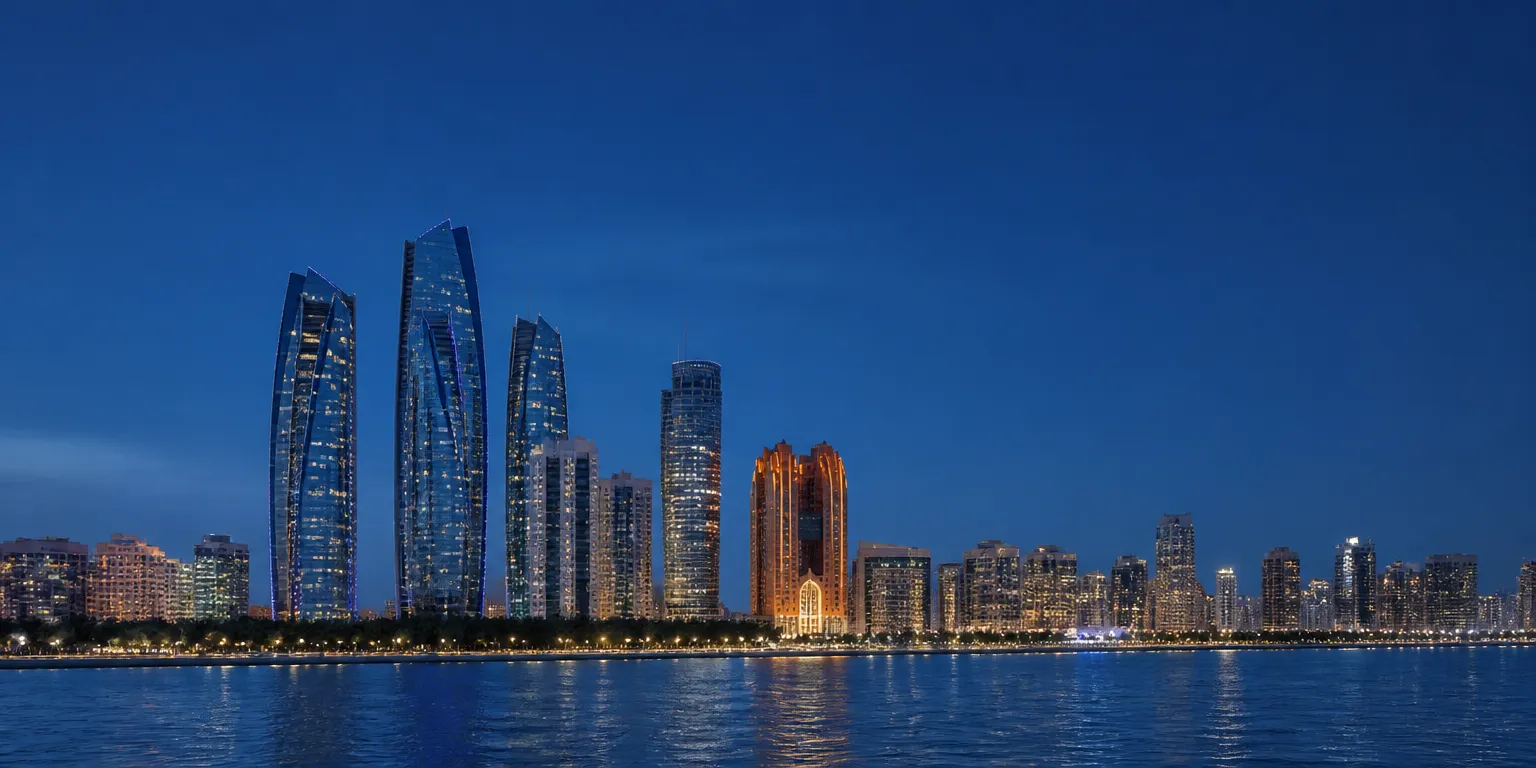
In Abu Dhabi, the real estate market remains relatively balanced, with new supply broadly aligned with steady and consistent demand. Looking ahead, additional inventory is expected to enter the market, particularly across key growth destinations such as Reem Island, Al Maryah Island, and Yas Island. This measured supply pipeline is likely to support market stability while enhancing choice for buyers and investors.
ADGM Expansion: The Abu Dhabi Global Market (ADGM) is expanding its jurisdiction to include Al Reem, but Al Maryah remains the financial core. The influx of international law firms and banks is driving a need for luxury serviced residences and premium apartments.
Luxury Benchmarking: New ultra-luxury entries, such as The Ritz-Carlton Residences, are setting new price floors for the island, ensuring it remains a magnet for global capital.
- The “Disney Effect” & New Attractions: Ongoing expansion of theme parks (including the highly anticipated Harry Potter land) and the “Disney Abu Dhabi” project are driving short-term rental demand.
- Etihad Rail Passenger Service: Scheduled for a 2026 launch, the rail network will connect Abu Dhabi to Dubai in approximately 50–60 minutes. This will create a “Commuter Belt” effect, where professionals working in Dubai may choose the lifestyle and relative value of Abu Dhabi’s islands.